NAMES
Why storms get names
A single naming system gives a consistent message, so people are better placed to keep themselves and their property safe.
See the numbers doodletracker
Start
WHAT THE MET OFFICE SAYS
A named storm is a warning, not a nickname.
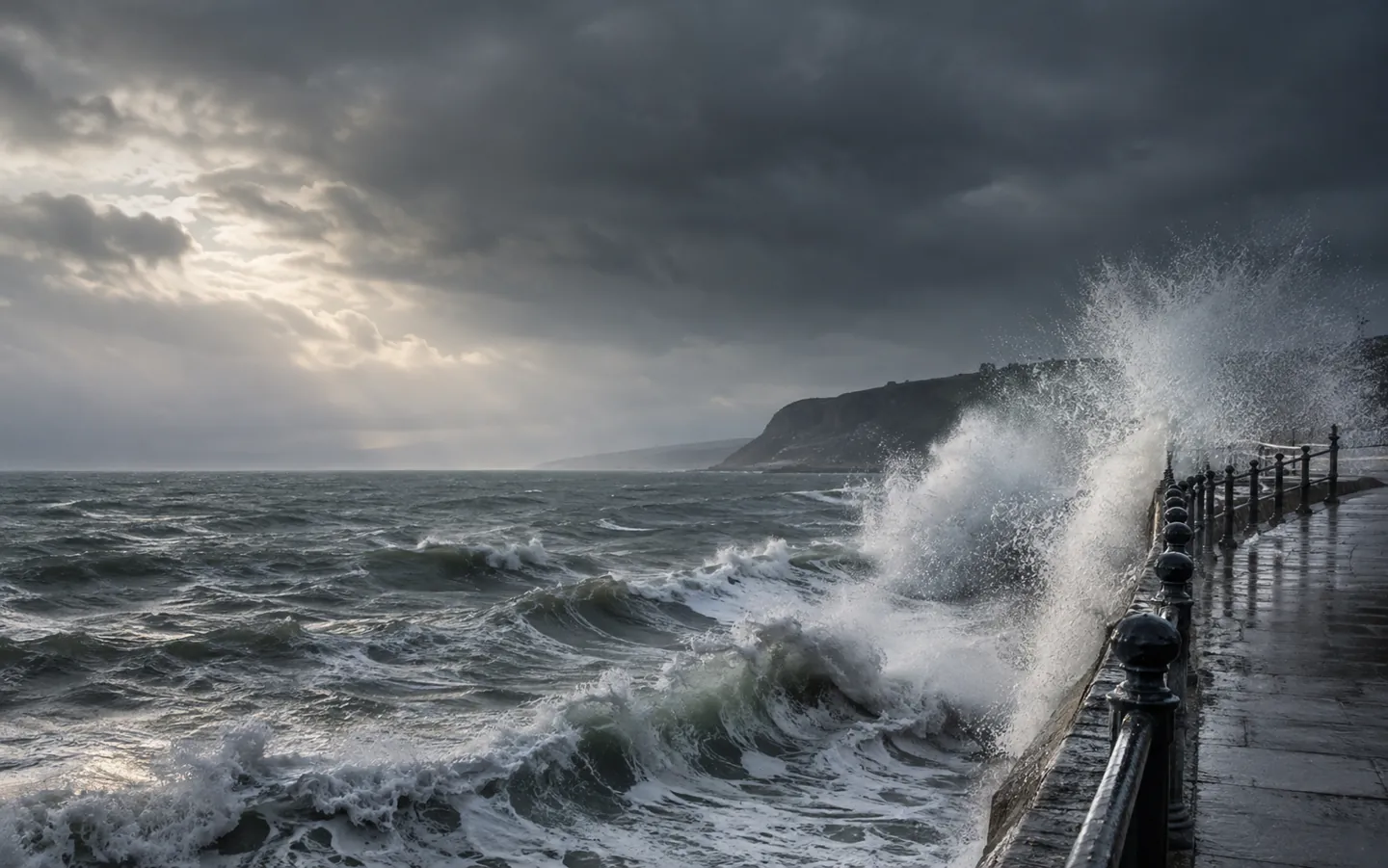
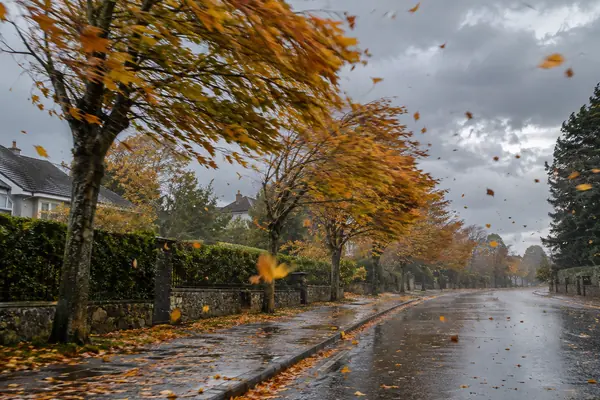
The Met Office names a storm when it could bring amber or red warnings. Each warning colour combines how bad the weather could be with how likely that is, so the words inside matter as much as the colour.
AUSTENfirst name for 2026–27
Check a warningKeep in mind
THE SHORT ANSWER
Names help messages spread.
Colours tell you how seriously to take them.
NAMES
A single naming system gives a consistent message, so people are better placed to keep themselves and their property safe.
See the numbersCOLOURS
Warnings are yellow, amber or red depending on how severe the impacts could be and how likely they are.
Check a warningALERTS
Emergency alerts work on 4G and 5G phones in range of a mast. They are free and need no app or sign-up.
Be readyA QUICK WARNING CHECK
Pick a warning to see what the Met Office says it means. The bar shows how strongly it asks you to act.
Based on the Met Office weather warnings guide for the National Severe Weather Warning Service. Always read the warning itself.
TWO NUMBERS WORTH KNOWING
One figure on the new list of names,
one on how many were used last season.
21 names
Storm names for 2026–27
The 2026–27 list runs from Austen to Wende, in alphabetical order. The Met Office, Met Éireann and the Dutch weather service KNMI compiled it from public suggestions plus their own.
THE LIST · MET OFFICE
4 storms
Names used by the UK group in 2025–26
The western group named four storms, from Amy in October 2025 to Dave in April 2026. Three more storms that affected the UK were named by French and Spanish forecasters.
LAST SEASON · MET OFFICE
The Met Office says that in the recent climate there is no evidence of a trend, up or down, in the number or intensity of windstorms, which naturally vary a lot from year to year.
FOUR STEPS TO TRY
These follow the Met Office's warnings guide and GOV.UK's advice on emergency alerts.
Step 1
Look past the colour to the impacts, the likelihood matrix and the 'what should I do' advice.
Step 2
Warnings can come up to seven days ahead, so look again before travelling.
Step 3
Emergency alerts reach iPhones on iOS 14.5 or later and Android 11 or later, but not phones on 2G or 3G.
Step 4
Amber means think about changing plans. Red means act now and avoid travel where you can.
HOW NAMES ARE CHOSEN
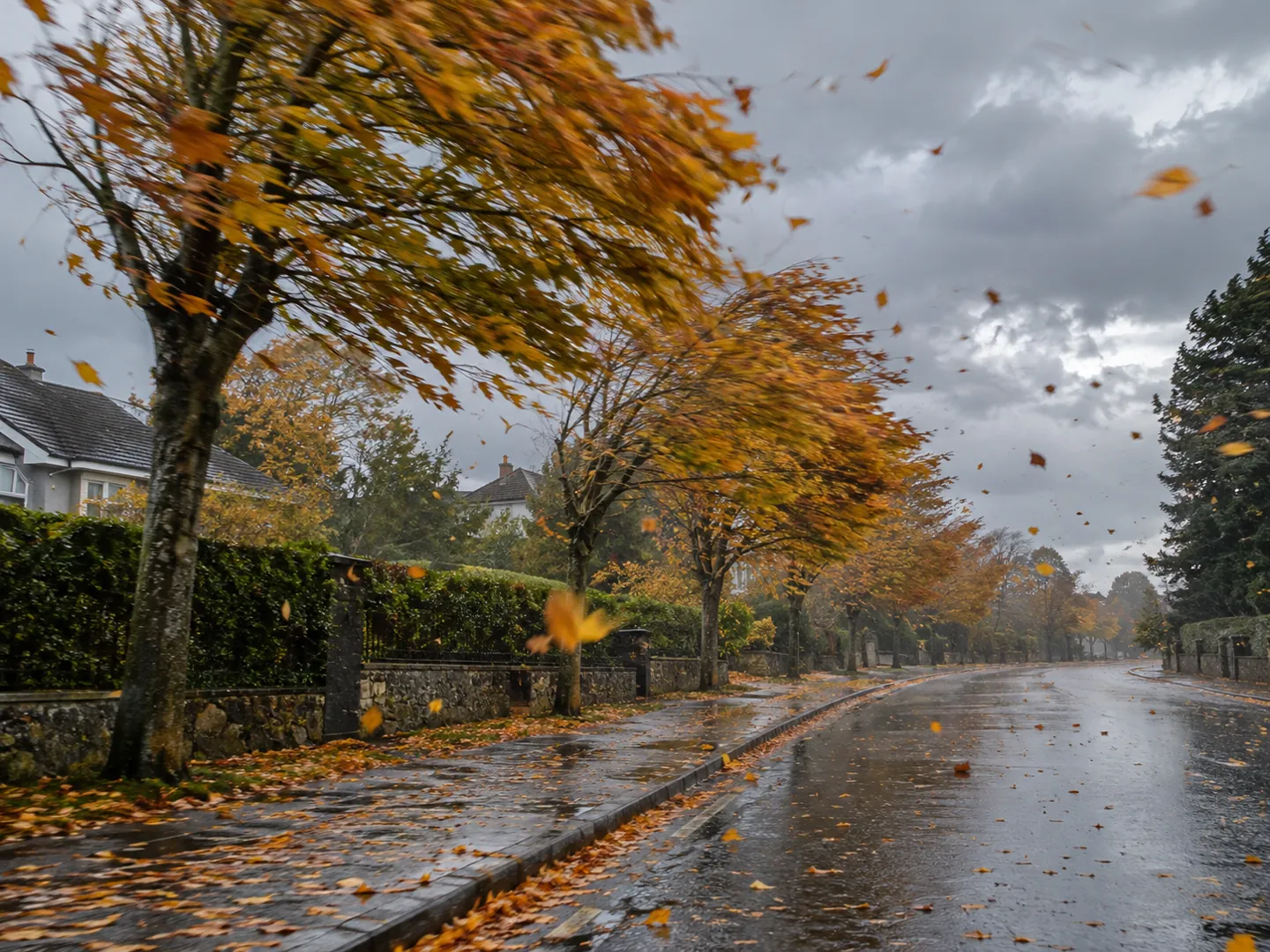
The UK, Ireland and the Netherlands share one list, published each September and running to late August. When a storm meets the naming criteria, any of the three weather services can name it, taking the next name on the list.
Names starting with Q, U, X, Y and Z are left out to match the US National Hurricane Center. Names are never taken from companies or brands, and if a former Atlantic hurricane arrives it keeps its original name.
Questions
In the UK a storm is named when it could cause disruption or damage leading to an amber or red warning. Usually that is for wind, but rain and snow impacts are considered too.
The Met Office, Met Éireann and the Dutch service KNMI share a list. Any of the three can name a storm, taking the next name in alphabetical order.
Austen, Boelo, Chloe, Dano, Evelyn, Finn, Gwendolyn, Heather, Ivy, Jade, Kilian, Laoise, Miriam, Nicola, Olaf, Phelim, Ruban, Shaun, Theo, Vesna and Wende. Storms take them in order: the Met Office's UK Storm Centre lists Austen as named on 20 October 2026 and Boelo on 22 October, and gives the latest on each storm as it is named.
Names starting with Q, U, X, Y and Z are left out to stay in line with the US National Hurricane Center's naming conventions.
Each colour combines how severe the impacts could be with how likely they are. Yellow often means likely moderate impacts, such as some travel disruption, but can also cover more severe weather that is less certain. Amber means severe impacts such as travel delays, power cuts and a potential risk to life and property are more likely, so think about changing your plans. Red means dangerous weather is expected, with a very high likelihood of risk to life: take action now and avoid travelling where possible.
Not always. Some yellow warnings mean likely moderate disruption; others mean severe impacts are possible but less certain. Read each warning to know which.
No. Alerts are free and broadcast to compatible 4G and 5G phones in range of a mast. The government does not need your phone number to send them.
Destination
Updated
ABOUT THIS NAME
doodletracker.com is part of the DoodleSale portfolio. Check the current listing and available purchase or lease options.